



Your Trusted Non-Insulated Garage Door Supplier
KOP DOOR supplies complete non-insulated sectional garage door systems to distributors and contractors. Panels are produced from quality carbon steel and deliver consistent performance in residential applications where thermal insulation is not required.
We support custom dimension configurations, multiple glass options, full technical information, fast lead-time arrangements, and market-customized hardware kits. These features help you expand your product portfolio, simplify project quoting, and deliver high‑end finished solutions to your end-customers.
Non-Insulated Garage Door
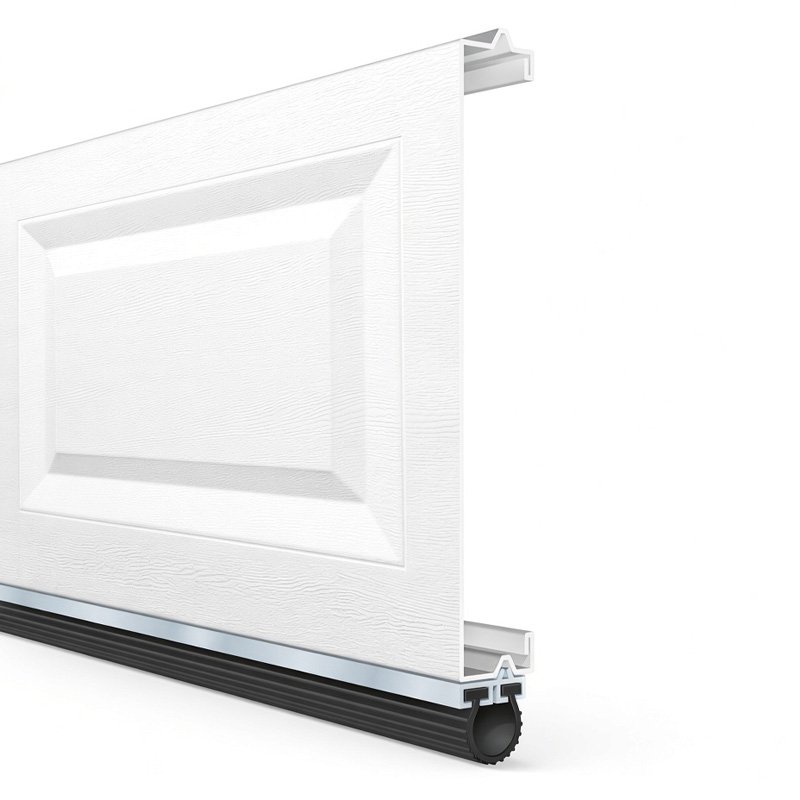
- American Standard Panel Joint
- Steel material: Carbon steel, 24–27 GA (0.35 mm – 0.6 mm)
- Panel type: Single layer
- Style: Flush / Classic Cassette / Raised Ranch / Carriage Short / Carriage Long / Custom
- Color: Black / White / Grey / Red / Bronze / Beige / Custom
Lower Project Cost and Increase Your Margin
Without insulation, these non-insulated garage doors are economic for distributors and contractors. If you’re looking to save on early-stage costs, non-insulated doors are a budget-friendly option choice.
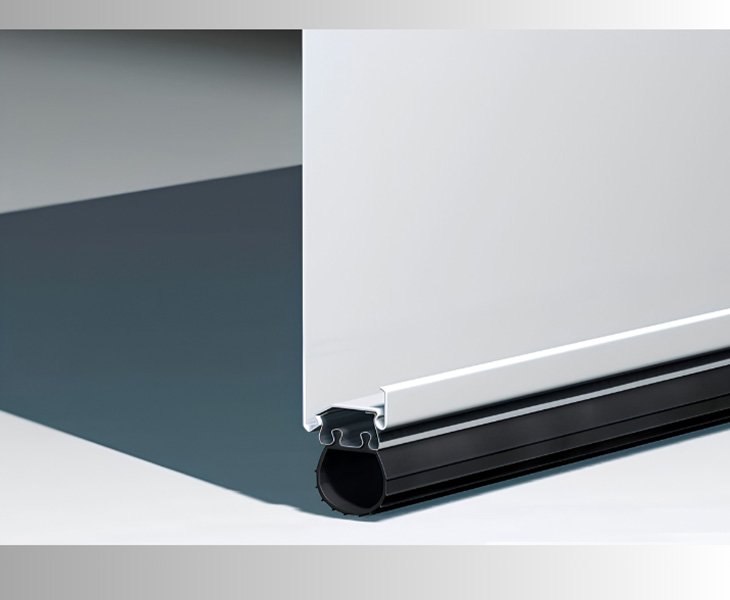
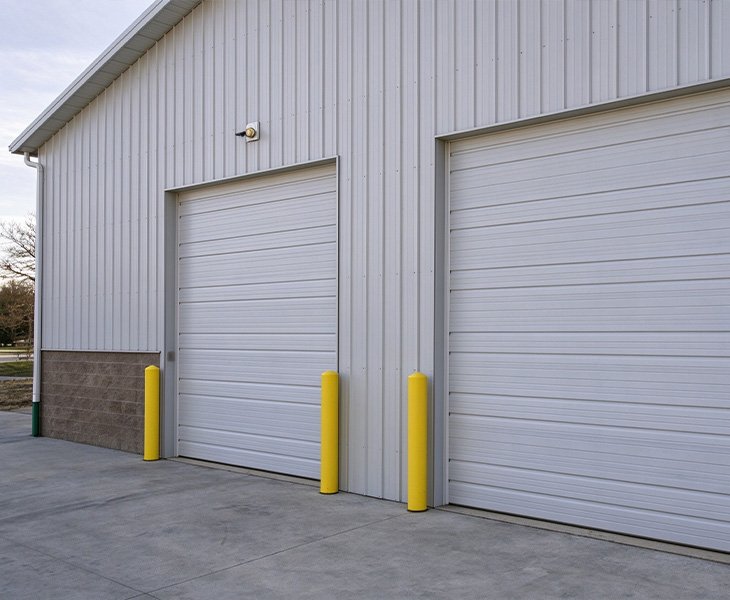
Light Weight with Durability
Without the extra insulation layer, these non-insulated doors weigh less than insulated models. The reduced mass makes them easier to lift and places less demand on the opener motor. They still resist normal wear and provide reliable protection for daily use.
Flexible Joints, Styles and Color Choices
American-style panel joints improve both safety and appearance. A wide selection of non-insulated garage door panel profiles and colors lets you match almost any architectural style. Glass inserts and aluminum-frame sections can be added when customers want extra light or a more contemporary look.


Customization, Packaging and Sales Support
KOP DOOR supplies carton packaging and wooden crates for mixed or combined shipments. Surface laser marking, private-label options, and custom steel gauges are available. We also provide complete hardware kits sized for the most common residential openings—8’×7′, 9’×7′, 16’×7′, 8’×8′, 9’×8′, and 16’×8′ (single and double)—so you can stock the right packages for each market.
Non-insulated garage doors feature a single-layer steel panel structure without any foam insulation inside. This design makes the panels lighter in weight, more cost-effective, and easier to transport and install. In comparison, insulated garage doors adopt a double-steel-sandwich construction filled with polyurethane or polystyrene. This structure delivers better thermal resistance with a higher R-value. Non-insulated doors are ideal for budget-focused projects that do not have thermal requirement.
Our non-insulated garage doors fully comply with core US industry codes, including ANSI/DASMA 108 and ASTM E330, which align with the IRC R609.4 building requirements. Wind load design pressures are calculated in PSF based on the latest ASCE 7-22 guidelines. Note that these non-insulated models are not applicable for Florida HVHZ high-velocity hurricane zones, which require professional missile-impact certified doors.
Generally speaking, non-insulated doors are not the optimal option for heated residential garages in cold regions. Without insulation filling, they cannot effectively block heat loss or prevent interior condensation. They suit for for mild climate areas,and where thermal insulation is not a key requirement.
For business clients, non-insulated garage doors come with lower unit prices to fit price-sensitive market demands, reduce overall shipping costs due to lighter panel weight, and simplify on-site handling and installation work. These cost-effective models shall expand your local market coverage.
It is not recommended to use universal hardware configurations directly. Though non-insulated panels are lighter, customized accessories such as reinforcing struts and glass infills will change the final door weight.All hardware including hinges, vertical and horizontal tracks, needs to be professionally selected and matched according to the actual finished door weight and required wind load grade.
Each panel is wrapped in shockproof foam for surface protection, then packed in high-strength cartons or customized wooden packing.We also add fixed support structures to keep panels stable during long-distance transit.